10. On Becoming a Guinea Fowl:
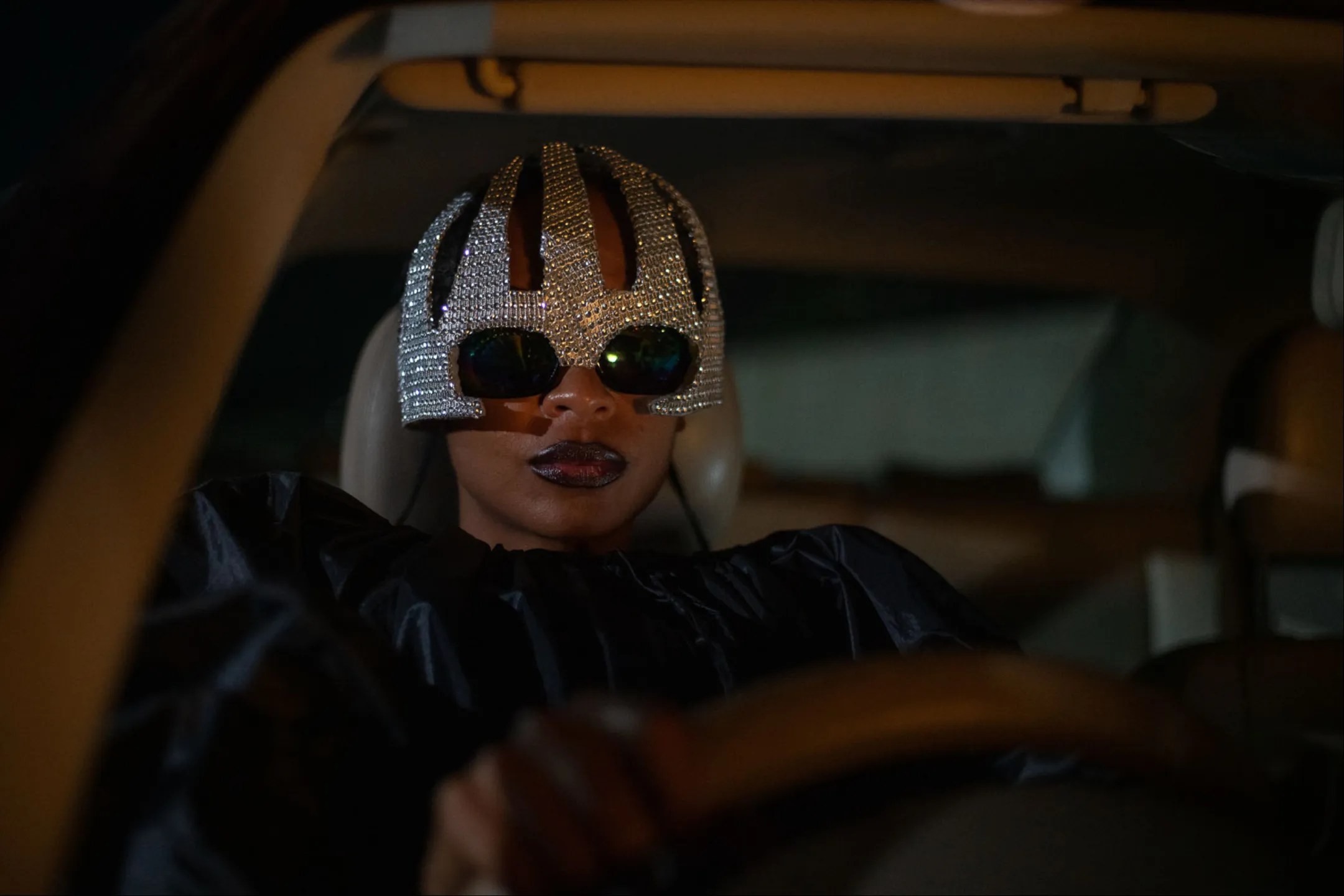
Writer/director Rungano Nyoni explores the silence involved in protecting abusers within the family in her film On Becoming a Guinea Fowl. Shula (Susan Charady) driving in the middle of the night in Zambia comes across the body of her uncle laying in the road. Her reaction is not of sadness but of anger, disgust and avoidance wanting nothing to do with the situation before her. We discover that this uncle was a sexual predator who preyed on the women in his family. Filmed in and around the ensuing funeral, Nyoni uses a mostly night setting to represent the oppressive arena in which the traumatic stories of these women are being shared. A majority of this movie consists of sequences where women in large groups cook and clean together in preparation, while the men sit separately, detached from the unspoken stories being brought to light in the shadows of those kitchens. Some joke about being assaulted as a way to cope. Others refuse to mention their encounters and focus on getting through the proceedings. And some openly weep and chastise others for not showing sufficient grief. Nyoni does a tremendously effective job of displaying generational trauma by physically putting different generations of women in a space together as they adhere to traditions and help honor a man who devastated so many. This isn’t a movie about forgiveness. Using a guinea fowl as a metaphor for women, it is made clear that one of the traits of a guinea fowl is when they see a predator approaching, they create a unified noise that alerts everyone in earshot. Though this movie takes place in Africa, this is a film that very much understands the situation at play is universal.
9. Good Boy:
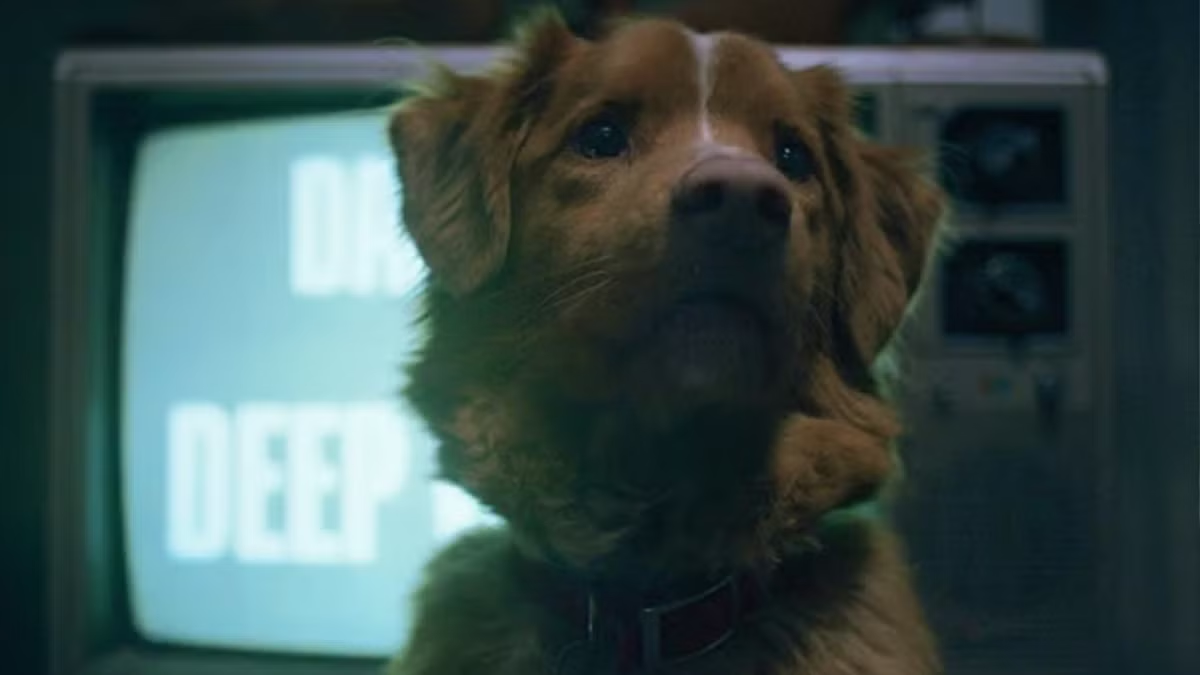
For all of my dog parents out there, you know that feeling when you catch your dog staring down a dark hallway and have no idea what it’s looking at? Well, a whole ass horror movie was made about that very feeling and it’s so effective. The concept becomes even more intriguing (and so much more impressive in practice) when it’s revealed that this is a horror film from the perspective of a dog. Director Ben Leonberg and producer wife Kari Fischer used their own retriever named Indy and filmed this movie on nights and weekends over a span of 400 days. Telling the story of a man, who after a health scare, decides to move himself and his dog into a rural house in the woods. It is established that the dog hears noises and senses/sees things his human doesn’t, as right away the dog begins to investigate bumps in the night in this new house that seems quite haunted. And while we watch this horror movie unfold, this dog seems determined to protect his human at all costs. Sometimes we get a direct dog POV, sometimes the camera trails the dog as he runs through the house and other times we are treated to close-ups of this pup’s face as he reacts to scary stuff happening off-screen. Bottom line, Indy needs an Oscar. There is also a plot-twist which I won’t spoil that elevates Good Boy into something that’s not just a triumph in low budget horror filmmaking, but engaged me on such an emotional level that I’m unsure if I was invested in any main character in any movie this year more than I was this dog.
8. Friendship:
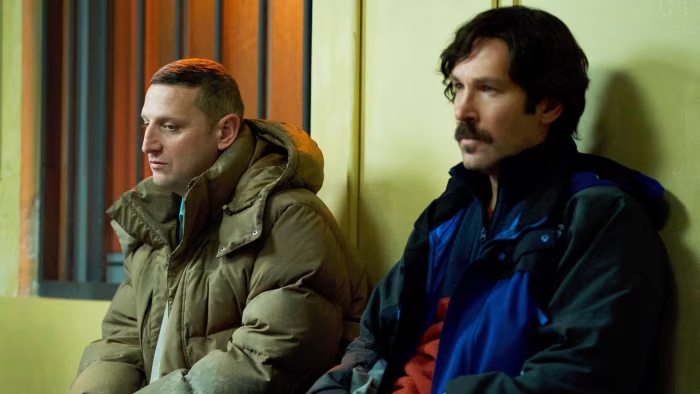
“This is why men shouldn’t have friends”. Andrew DeYoung writes and directs what I believe to be the funniest comedy of the year. That said, if you’re not into the Tim Robinson-style of I Think You Should Leave cringe-comedy, then you may think the opposite. A Tim Robinson character named Craig returns a package to his new neighbor Austin (Paul Rudd) after it was sent to the wrong address. Austin is the new charismatic local weatherman who Craig instantly thinks is the coolest guy ever because he comes off as a free spirit. Austin takes a liking to Craig too and an instant friendship predicated on quirky adventures blossoms. But when Craig makes a fool out of himself in front of Austin’s friends, the friendship is basically ended. It’s too late though as Craig has become obsessed with being Austin’s “best friend”. At which point he spirals, overreacts while shouting and flailing about and gets vindictive in the way only Robinson can. Again, this is your warning, the humor used is purposely here to make you cringe. Relentlessly awkward and absurd, including a Subway themed toad licking psychedelic trip sequence that very much scratches the anti-humor itch, if that’s your thing. As far as the story goes, it’s a surreal look at how male friendships are perceived from the outside and I laughed out loud for a majority of it.
7. One Battle After Another:
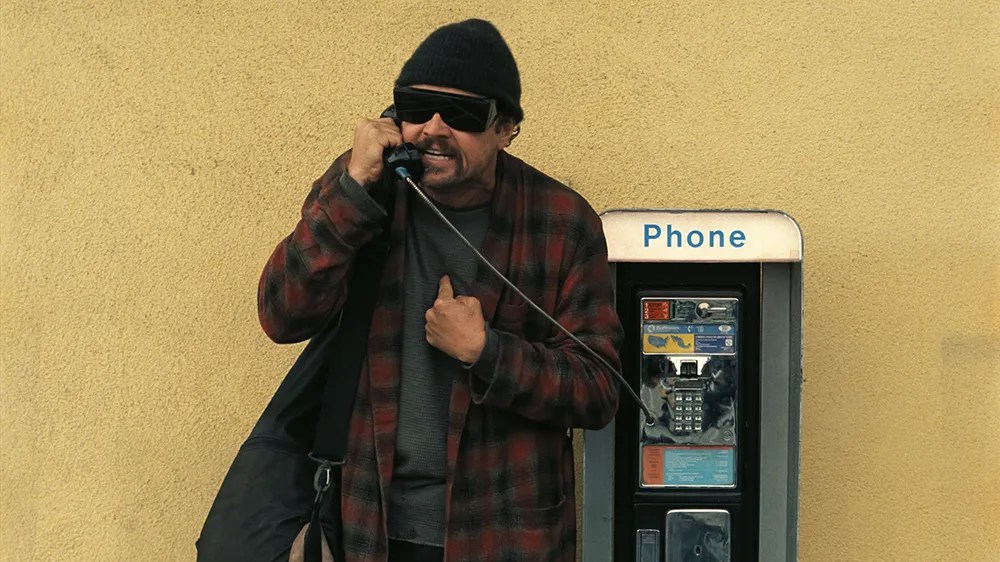
As you’ve definitely seen by now, Paul Thomas Anderson’s newest film One Battle After Another has made countless top ten lists. And the biggest reason for that is because it’s a breath of anti-fascist fresh air during a time when us anti-fascists need some damn air. The very first scene depicts the overtaking of an immigration detention center at the US/Mexico border, where we are introduced to a group of revolutionaries called the French 75, an American resistance group who believes in direct action and revolutionary violence. The initial sequence brilliantly establishes what the intent of this group and the film are. Showcasing different revolutionary movements, some destined to fail, while others refusing to die. Perfidia (Teyana Taylor) the leader of the French 75 comes from a long line of Black revolutionaries. Bob (Leonardo DiCaprio) her partner and father of her child is an explosives expert. Col. Steve J. Lockjaw (Sean Penn) is the white supremacist miliary man who becomes sexually obsessed and even has a short-lived affair with Perfidia. The rest of the movie takes place sixteen years later when the child is grown and Lockjaw comes around again with violent intent. From the opening scene this feels dangerous and timely in the best ways possible. At the midpoint of this movie Anderson highlights an underground network which protects migrants from ICE raids. This section is a masterclass on how filming revolutionary cinema should be done. The entire production feels epic, taking so many chances when it comes to satirical edginess. Anderson’s choice to keep most of his characters flawed and cartoonish while holding on to the Pynchonian vibes in this racially charged story, works in this movie’s favor in the same way it might in a Tarantino film. That said, I should mention there is a level of fetishizing Black women displayed here that at times also verges into Tarantino territory in a way that is pretty gross. Though I still hold this film in high regard as it isn’t everyday you see a big budget American movie calling out the United States for its current fascistic tendencies, it is important to note that everything seen in this movie was put there with intent by a white male director.
6. Twinless:

A film that totally caught me off guard, with a twist that comes before the 30-minute mark which I refuse to spoil because yes this is one of those films that the less you know going in, the more shocking the payoff will be. Written, directed and starring James Sweeny, this story follows two men Roman (Dylan O’Brien) and Dennis (James Sweeney) who meet in a support group for people who have lost their twin sibling and quickly become friends. Roman is openly having a difficult time with the loss of his brother, as they became estranged after his brother came out of the closet. Dennis just so happens to be gay, which leads to the initial bond, as being close to Dennis makes Roman feel closer to his brother. The two also bond over being twinless. Or so Roman believes. At this point the movie transforms into something else completely. This is a film about processing the loss of someone very close. But the loss one of these men experiences is far more complex than initially presented. This is also a film about being invisible. About obsession and jealousy. About the fear of not being liked. About how far one will go to hold onto love. O’Brien playing himself and his twin brother (in flashbacks) does some elevated work here, but it’s Sweeney who plays one of the most divisive characters of 2025, giving a performance that may leave viewers unsure as to whether they should root for or against him. It’s also so well directed. I would go so far as to say Sweeney delivers some A+ storytelling, with his script being equally as effective. The dialogue in this movie is quite sweet and funny at times, sad and devastating during others, with a hint of some modern millennial The Talented Mr. Ripley. I wish this movie got more play upon release.
5. Sorry, Baby:
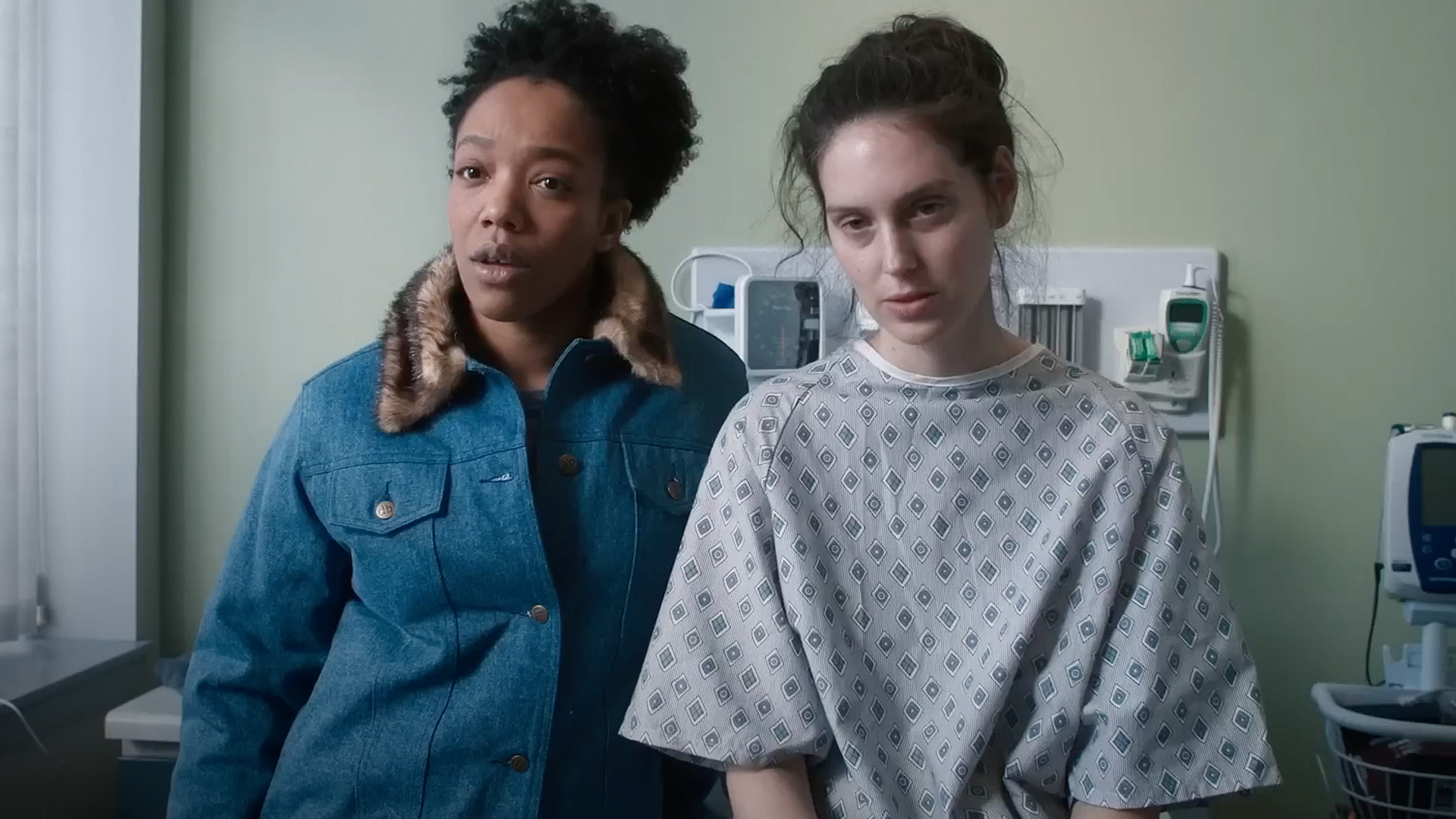
The best friendship movie of 2025. This dark comedy/drama written, directed and starring Eva Victor follows a woman named Agnes, forced to relive a sexual assault that occurred in college, as only a few years later she is now in the running for a full-time teaching position at the same college, working in the same office as the man who assaulted her. After Lydie (Naomi Ackie) her best friend since college visits for the weekend, the movie flashes back to the traumatic events. Agnes was a brilliant student who had a predatory professor. Lydie at one point offers to kill him for her and this is how true friendships should work. Not going to lie, I clapped more than a few times when Lydie spoke. As a director, Victor makes a choice not to show the assault. This is a choice made to allow for the focus to not just stop on the traumatic event, but to place importance on the traumatic aftermath as well. Victor who has contributed to the Reductress the popular women’s satire publication, is obviously a talented writer and that’s on full display here as they capture through dark satirical humor the absurdities of life post SA in a patriarchal society; Agnes feeling trapped in that moment while everyone around her moves forward with their lives. This character is allowed to feel her all of her emotions, the rational and irrational. For weeks and months and years afterwards, we see Agnes process her trauma in her own way, but also in a way that may be familiar to many. The story of Agnes is a “shared female experience”. And much in the same way as On Becoming a Guinea Fowl, this is the main statement Sorry, Baby makes, doing so exceptionally well.
4. It Was Just an Accident:
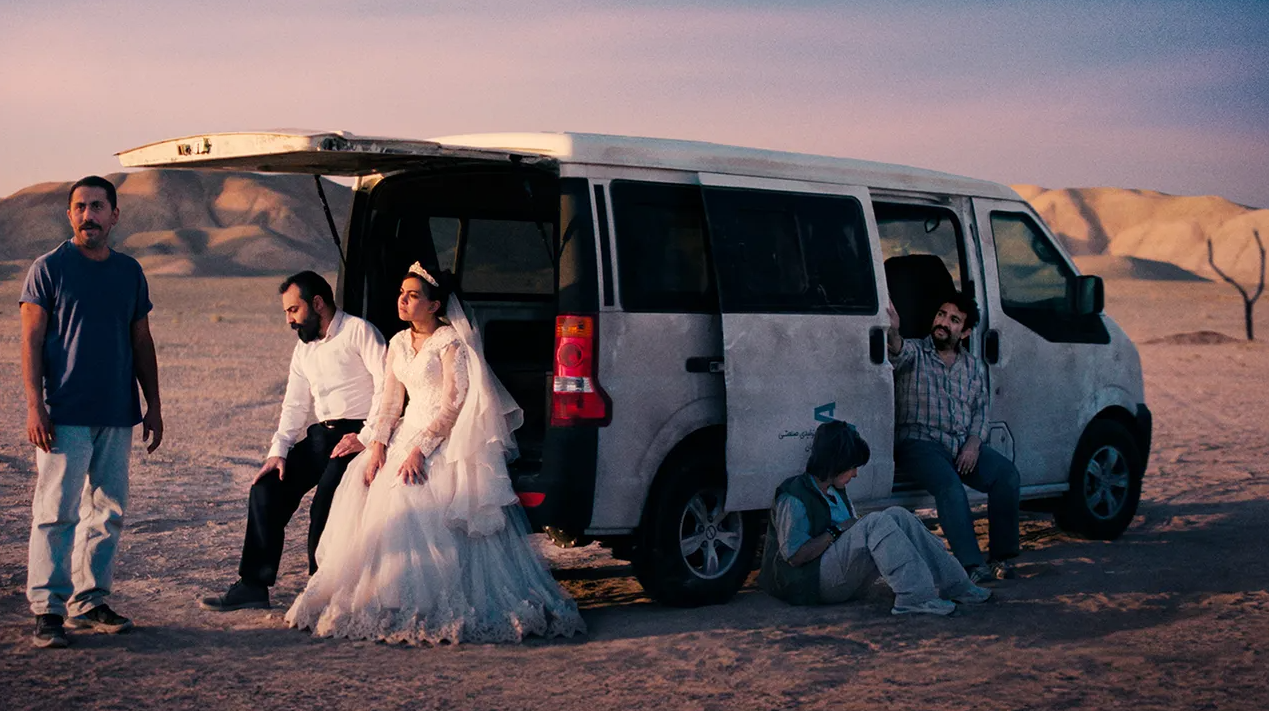
2025’s Palm d’Or winner is an achievement in filmmaking more so than most, as Jafar Panahi (an Iranian filmmaker) puts his freedom on the line with every film he makes. The movie opens at night as a family driving home accidentally hits an animal on the road. The father gets out of the car and as he walks towards the animal he limps and a squeaking sound can be heard with each step, indicating a prosthetic leg. Continuing their drive the car starts acting up and so they stop at a shop and receive help. Working in this shop is a mechanic named Vahid who instantly recognizes the sound of the man’s leg and is terrified. He believes this is a sadistic soldier nicknamed “peg leg” who tortured him and others in an Iranian prison. Vahid follows him home and then kidnaps him the following day with plans of taking him to the desert and burying him alive. But there is still lingering doubt as to whether this is the right guy. At which point he drives the man who he believes is his torturer around the city, visiting other victims to see if his identity can be confirmed. One wouldn’t expect that a movie containing such seriousness and traumatic undertones would have many laughs. But much of this film contains elements you may find in a road trip movie, with a ragtag group of people who don’t get along but have a shared past, having life and death conversations, contemplating if there is a distinction between the system and the soldier, examining the humanity of people and the opportunity for revenge, all while moving physically from one absurd and quite dangerous situation to the next. And it goes without saying, but this is also a masterfully shot film, with many impactful long takes and sequences that are framed in ways which create heightened moments of tension; things occurring just off-screen are made to feel just as important as what is shown on-screen. Filmed without permits/permission from the Iranian government, Panahi made It Was Just an Accident in secret in Tehran after his release from prison, once again showing his devotion to cinema.
3. Weapons:
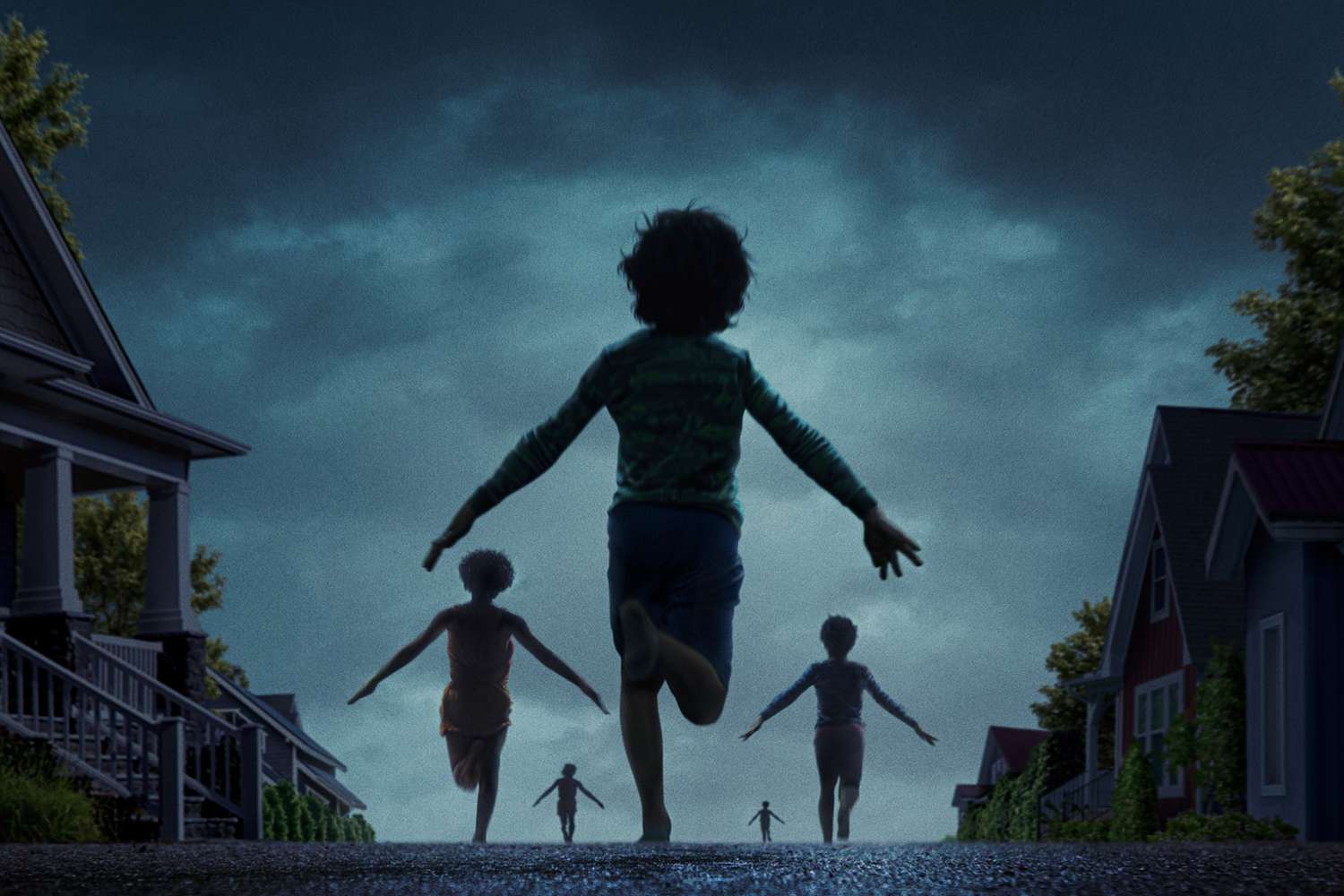
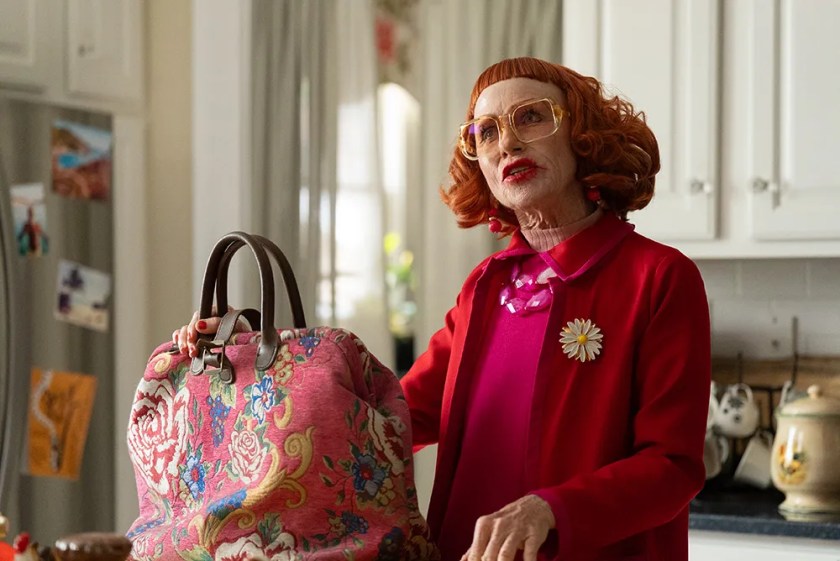
All hail Gladys! This is the type of weirdo shit that I’m into. On a random Wednesday at the local elementary school all of the children from Justine Gandy’s classroom go missing. All expect for one child. “And do you know why? The night before at 2:17 in the morning every other kid woke up, got out of bed, walked downstairs, opened the front door, walked across the front yard and into the dark”. All of the footage from the home cameras show the children running out of their homes in the dark with their arms spread wide, mimicking airplanes. This is the set up to a horror/mystery that involves an angry conspiracy driven father, a teacher who just wants to find the truth, a cop who keeps getting poked by needles, a drug addict living in the woods, a tray of hot dogs, the loss of innocence and maybe a witch. Weapons is a goddamn fairytale. A Disney movie with slightly more violence, but with equal amounts of child abduction and “evil witches”. Much like writer/director Zach Cregger’s last movie Barbarian it also has some very funny moments and a town full of lively characters. Broken up into chapters that follow different characters as the story becomes increasingly more bizarre, unpredictable and unhinged, Weapons is one of the only successfully unique experiences to come out of 2025. Once you watch it, you won’t be able to shake it. And if you’re a horror fan, this is exactly what you want to hear. Also, Amy Madigan needs all the awards for her iconic role as Aunt Gladys.
2. Bob Trevino Liked It:
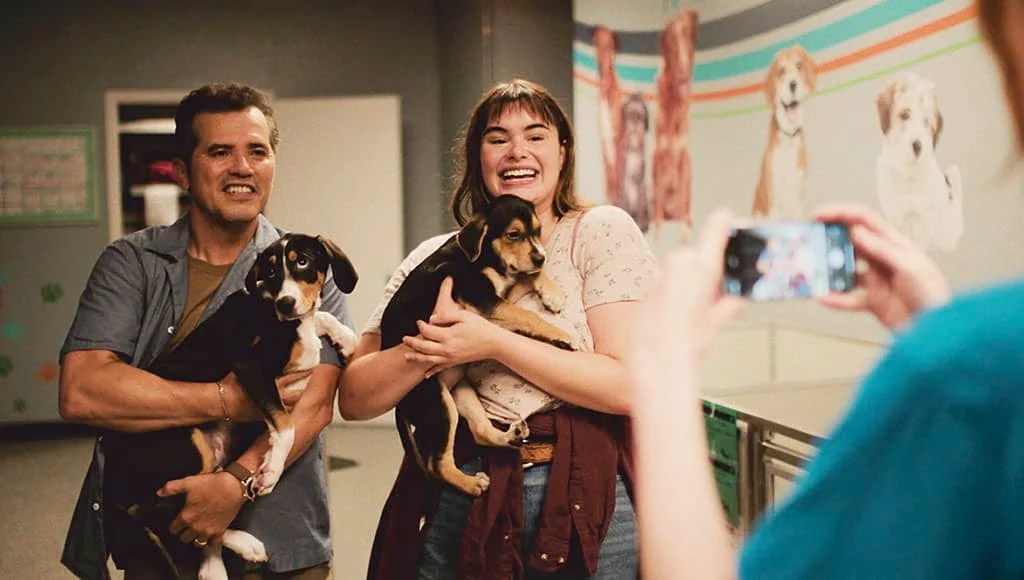
If you’re familiar with my movie tastes then this positive, uplifting, choose kindness type of film will be a shock to see. Writer/director Tracie Laymon pulls from true life events. Lily Trevino (Barbie Ferreria) is a 20-something passive people pleaser dealing with abandonment issues, who becomes estranged from her narcissistic father Bob/Robert(French Stewart). In a stint of depression while scrolling on Facebook she “friends” an account without a profile picture but with the name Bob Trevino (John Leguizamo) in hopes that it’s somehow her father. It’s not of course, but this Bob is a genuinely kindhearted boomer dealing with his own depression. Facebook Bob not only accepts the friend request, but also likes Lily’s posts, genuinely listening to her as their unlikely friendship begins, both filling a missing piece in each other’s lives. I cried multiple times. And it was mostly due to Ferreria’s performance which is genuinely one of my favorites of 2025. The camera stays on her face for much of the film, allowing us to experience every bit of what she’s feeling. The pain as her father verbally abuses her, the joy she feels when discovering a genuine paternal relationship and the mix of emotions as she begins to embrace her inner child. As audiences, we feel it all because Ferreira allows us to. Again, it is rare for a heartfelt movie like this to make it onto my end of year list, but Laymon has made a movie about the love that comes with finding ones chosen family that did genuinely touch me.
1.Sinners:

We get two Michael B. Jordans, a completely original story grounded in Southern Black history and garnished with a refreshing take on the vampire genre, a history of Black music during a sequence that is the best few minutes put to film in 2025, the most satisfying ending of the year…and did I mention two Michael B. Jordans? Writer/Director Ryan Coogler can do no wrong. Give this man all the money for any project he wants to do. His story takes place over a 24-hour period in early 1930’s Mississippi, where a young musician named Sammie (Miles Caton) who wants nothing more than to perform the blues, is recruited by his two older cousins, both played by Michael B. Jordan in two very distinct roles, to play at a juke joint they are opening for the Black fieldworkers. The grand opening is an overwhelming success with Sammie getting his chance to play his music. His music and voice are so powerful that it begins to heal the community. His sound also catches the attention of a group of white vampires who are wildly attracted and want him for their own. There are layers to this story. Deep historic layers calling out the white blood sucking community for stealing Black music, Black style and Black culture. This is a film that Spike Lee would be proud of. Coogler is one of the most important filmmakers working today. Mixing genres, and showing he can do it all, from bloody action to historical drama with unapologetically Black characters. Every inch of this movie, from the look (I got to see this in 70mm) to the sound, to the statements are rich and tactile and bursting with lived experiences. These stories are important, with or without the sci-fi element. Sinners is a true love letter to a people, a time and a place.
Just missed my list (#20-11):
20. Rental Family
19. Bugonia
18. One of Them Days
17. Freaky Tales
16. Hamnet
15. The Secret Agent
14. Splitsville
13. Train Dreams
12. Materialists
11. Urchin






 MOVIESMARKUS